Nov 16, 2012
Madam Speaker, this is a jobs bill, pure and simple. It levels the playing field in Russia for American energy, agriculture, manufacturing, services, and our growing technology industry to be able to compete on a level playing field in…
The Public Record
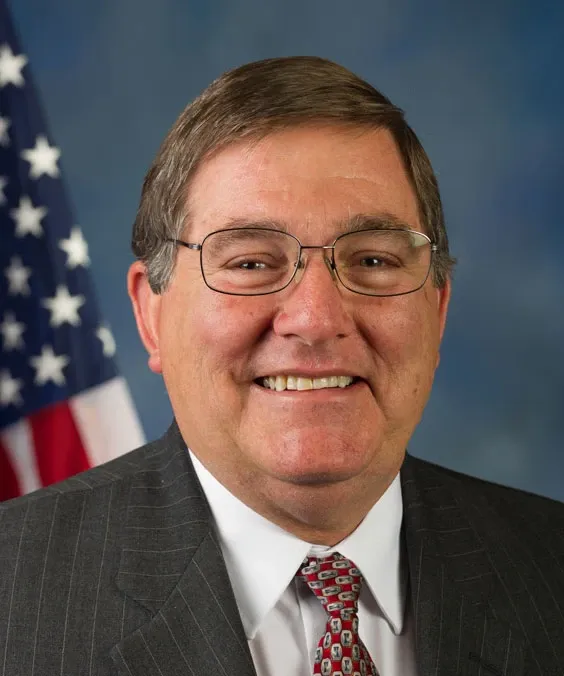
Kevin Brady is a Republican politician from Texas, best known for his role as a member of the U.S. House of Representatives, where he served from 1997 to 2021. During his tenure, he held significant positions, including Chairman of the House Ways and Means Committee, where he played a key role in shaping tax policy and economic legislation. Brady was instrumental in the passage of the Tax Cuts and Jobs Act of 2017, which aimed to reduce taxes for individuals and businesses. He has also been an advocate for various initiatives related to trade, healthcare, and education.
Madam Speaker, this is a jobs bill, pure and simple. It levels the playing field in Russia for American energy, agriculture, manufacturing, services, and our growing technology industry to be able to compete on a level playing field in…
I think the path that we are pursuing with the plurilateral agreement with the ISA is an opportunity to show momentum and then build outward from that.
As a result, I am very enthusiastic about the work that Ambassador Punke is doing in Geneva on services trade policy.
This is important work, you are doing good work, and I appreciate and encourage you to continue the consultations with both parties.
Let me also recognize Bob Vastine, the longtime President of The Coalition of Service Industries who stepped down yesterday and Ambassador Peter Allgeiere, CSI's newly installed President.
By negotiating an International Services Agreement, we can expand our services sales around the world and rev up this great engine of U.S. job creation.
Good afternoon. I want to welcome everyone, extend a special welcome to Ambassador Michael Punke and our private sector witnesses.
Expanding services trade means creating good U.S. jobs. I am enthusiastic about the work USTR is doing in Geneva to move toward launch of negotiations on an international services agreement.
I think Mr. Bertoni's point, there has been some movement in that direction, but fairly small.
I think it is operationally flawed, and at the heart of it is that we are addressing a 21st century challenge looking at it through a 1950s lens.
Politicians like Kevin Brady