On the recordJune 6, 2012
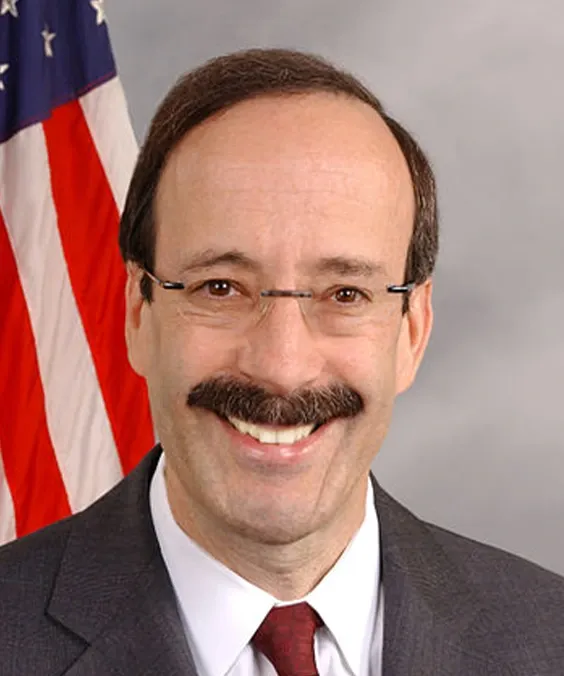
The argument sounds reasonable, and I have no doubt it's going to pass because there are a lot more people here from so-called donor States than from donee States, and people are going to vote purely on that basis, many of them are. Many people are. But it's not equitable. If it were equitable, why don't we apply the same principle to other things? Why don't we say that the taxes that some States pay for the agriculture program should be reduced because, after all, not all States get the same amount of money in the wheat subsidy. Some States get a lot more back for agricultural assistance than the applicable part of their taxes. I remember an argument on the floor a number of years ago in which we were debating, I think, funding for the National Endowment for the Arts, and Mr. Burton of Indiana was orating against the NEA, and he said it's wrong for this reason and that reason and the other reason. And anyway, he said, all the money goes to New York and Los Angeles. And I got up and I said, you know, Mr. Burton, I'm shocked to discover that New York City, with 8.5 million people, doesn't get a penny of the wheat subsidy. How fair is that? The fact is we don't grow wheat in New York, and the fact is that money should be distributed--and I'm not opposed to the wheat subsidy. It may be--I'm not an expert on the farm program, but it may be that farm States need it, and it may be that other States need other things.…
Source
govinfo.gov