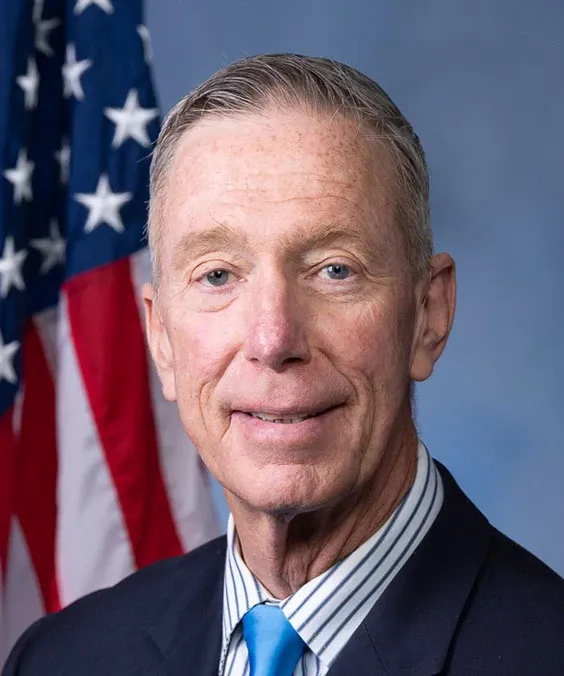
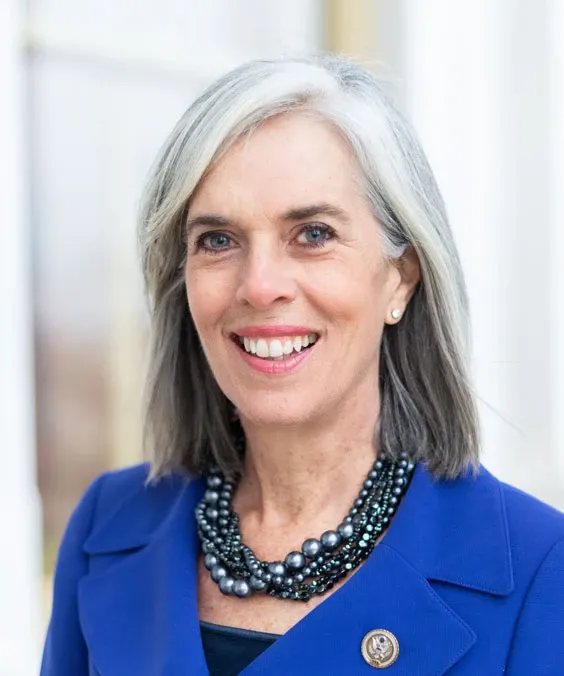
We need to extend the child tax credit and the earned income tax credit, and that's what we should be doing today for middle income Americans and provide them with some sense of security and support. And, my God, can we do any more to help…
Richard Neal
The Public Record
Richard Edmund Neal is an American politician serving as the U.S. Representative for Massachusetts's 1st congressional district since January 3, 2013. A member of the Democratic Party, Neal has focused on issues such as healthcare, education, and economic development throughout his tenure. He has been an advocate for Social Security and has expressed concerns about privatization efforts by Republicans. Neal has also been vocal about the impacts of trade policies on American families, particularly criticizing the effects of the Trump administration's trade war.

There's one indisputable fact in this debate today, and that is that the Bush tax cuts used borrowed money. How much sense did that make to borrow the money to give tax cuts to the wealthiest people in America, the top 2 percent? The…
One of the frequent concerns that I hear from the manufactures where I live, it really is the issue of skills.
Thank you, Mr. Chairman. I appreciate Mr. Brady's emphasis on the lowest possible corporate tax rate.
Thank you, Mr. Levin. I hope as this debate ensues what we can perhaps call this for the next hour, instead of ObamaCare, why don't we call it RomneyCare? This is based upon the Massachusetts model that Governor Romney signed with Ted…
Those three groups of people that I mentioned, do you think they are home right now fretting over whether or not this is a tax?
So the analogy between what Massachusetts did and there was not this outcry and what the Federal Government may have done and there is an outcry is because of the limited enumerated powers of the Federal Government.
In the State of Massachusetts, 64 percent of the voters are either Republicans or Independents; and the health care plan in Massachusetts polls north of 70 percent in terms of customer satisfaction.
In my district, we had an uncompensated care cost of $50 million last year, and I am told that that, that works out to be about $1,000 per person who buys insurance that they have to pay more.