Sep 25, 2008
I thought that when it began, that John McCain was very subdued, seemed a little vague about the economic side, wasn't quite focused in. And then when it did turn to foreign policy, he got steadily better.
The Public Record
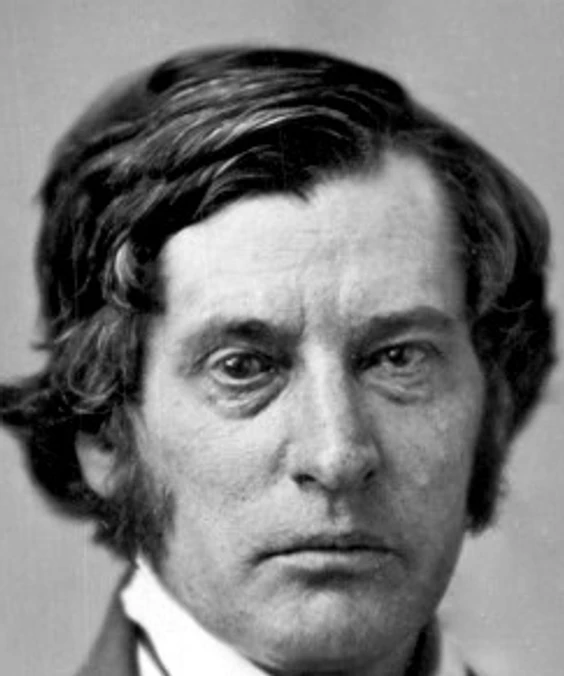
David Gergen was an American political commentator and advisor who served in the administrations of four U.S. presidents, providing insights and guidance on various political matters. Born on May 9, 1942, in Massachusetts, Gergen held significant roles in both Republican and Democratic administrations, showcasing his ability to navigate the political landscape across party lines. He was also a professor of public service at Harvard University, where he influenced a new generation of leaders. In addition to his academic work, Gergen was a senior political analyst for CNN, contributing to public discourse on current events until his passing on July 10, 2025.
I thought that when it began, that John McCain was very subdued, seemed a little vague about the economic side, wasn't quite focused in. And then when it did turn to foreign policy, he got steadily better.
Barack Obama stresses -- puts heavier stress on diplomacy, working with other nations, trying to go a different way from what George Bush has gone. And John McCain has a much tougher, more muscular view; it's much closer to the…
What these two men should do, Obama and McCain, is stay out of the negotiations.
It seemed for -- to a lot of people at a grassroots level, this is $700 billion for rich people, to bail them out for their mistakes.
This is $700 billion for rich people to bail them out for their mistakes.
They're going to pass the bill in Congress. They have no choice, they know they're on the brink.
Overall, I think you have to say that Barack Obama has gained from this more than John McCain has.
The president, I mean, the White House is like it is not at home on this.
It's also not true, there are two things a president can and must do.
But overall, I think you have to say that Barack Obama has gained from this more than John McCain has.
Yes. And what they have been doing, Anderson -- all campaigns stretch the truth to some degree, but I think Karl Rove was right. This has gone well beyond the normal bounds.
There's no question right now that this -- this really dark economic situation is now going to be -- is going to really -- is going to, I think, blot out a lot of this question about who -- the backing-and-forthing and the advertising, and…
I think the central story of today, politically -- let's go back to what Mark was saying -- is, we have reached a potential another major turning point in the campaign.
I think the focus is going -- is likely to start moving back now. And when we do that we're going to start paying a lot more attention to issues.
No. I think we've established in previous conversations that the Republicans would much more rather make this about personalities.
This is phony outrage over this lipstick business. Let's get back to the issues.
They want Barack Obama to talk about jobs, jobs, jobs, McCain, Bush, McCain, Bush, and nothing else.
It's very hard to change the dynamics of this campaign until the first debate, September 26th.
It's unimaginable to me Anderson. It's not imaginable to you'd almost think that this was Straight Talk 1; that they ought to rename the plane, well her arriving on it, because she's sort of dominant now.
They've been playing a very shrewd game. You may not like it, you may think it's very cynical but it is shrewd.
I think the most interesting is she got a teleprompter up there. That says to all of us that once again, she's coming in with a script.
Politicians like David Gergen