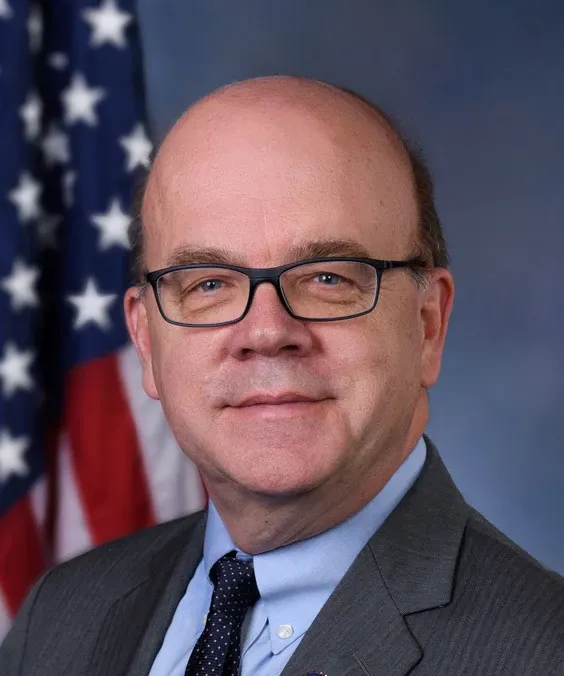
Feb 3, 2009
Had they brought the Republicans in on the House side and had more of a bipartisan bill coming out of the House to begin with and the president had forced that through, he'd be in a stronger position with the country now.
The Public Record
David Gergen was an American political commentator and advisor who served in the administrations of four U.S. presidents, providing insights and guidance on various political matters. Born on May 9, 1942, in Massachusetts, Gergen held significant roles in both Republican and Democratic administrations, showcasing his ability to navigate the political landscape across party lines. He was also a professor of public service at Harvard University, where he influenced a new generation of leaders. In addition to his academic work, Gergen was a senior political analyst for CNN, contributing to public discourse on current events until his passing on July 10, 2025.
Had they brought the Republicans in on the House side and had more of a bipartisan bill coming out of the House to begin with and the president had forced that through, he'd be in a stronger position with the country now.
It's all about getting this thing passed, getting the 60 votes, Anderson, so they can shut off any possibility of a filibuster.
I feel very strongly that way, that, if he's going to make this bipartisan, he's going to have to say no to some of these marginal Democratic programs.
I think that they always felt that they would work it out as the process went along.
The crisis is urgent. And he has a lot of popular support. So, I think he has the presidential authority, the clout, so to speak, to get this done.
I think they're backsliding some. I did not agree with Ed Henry's assessment that he has an uphill battle.
I think in the next few years we're going to be spending a lot of time, Ali, not only worried about how do we restore ourselves internally. But this question of America within the world is also very important.
But politically, we haven't seen a President come in with this deep a reservoir of support, of trust, of confidence as Barack Obama has.
We stepped back too far. You need to get the SEC and we need better people to go into the SEC.
What the administration is planning is just after they get this stimulus package passed, which they will get -- they will be disappointed about the number of Republican votes, obviously.
I think there's a remarkable consensus actually among economists on both left and right. Including many strong pre-market economists are saying the government should stimulate now, the government should inject money into the system now and…
I just fundamentally disagree that the Securities and Exchange Commission wasn't set up to police and enforce a set of rules about transparency and honesty and fraud.
Politicians like David Gergen