There are two major ways that the ERA will impact the legal status of women and all marginalized genders: through litigation and legislation.
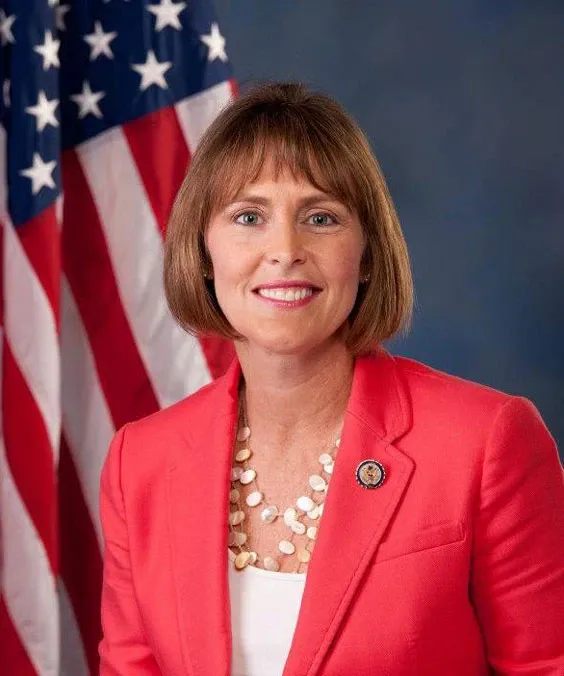
Debbie Wasserman Schultz
The Public Record
Debbie Wasserman Schultz is an American politician serving as the U.S. Representative for Florida's 23rd congressional district since 2005. A member of the Democratic Party, she has held various leadership roles, including serving as the chair of the Democratic National Committee from 2011 to 2016. Throughout her tenure, Wasserman Schultz has focused on issues such as healthcare, education, and women's rights, advocating for policies that aim to improve the lives of her constituents. She has been an outspoken advocate for gun control and has worked on legislation addressing the needs of veterans and military families.
If white men in this country faced the discrimination and inequality that women across the country of all genders and races faced, that you would see aggressive advocacy on the other side of the aisle in support of the Equal Rights…
Constitutional amendments, Madam Chair, have always served as a signpost for where society needs to go, and the ERA is no different.
And certainly increasing. Thank you. And I want to drill down and explore how the ERA could affect a specific legal claim in my home state of Florida.
These so-called audits aren't about unearthing facts. They are about ginning up justification for repressive voting rights laws.
I hope the committee remains continued--and I trust that we will--continued to election integrity, not promoting the big lie.
An audit, when run well, verifies the results of an election and assures voters that their vote has been counted.
I'm obviously quite familiar with the experience of the impact of natural disasters and the aftermath.
Yes. And it feels like that, that window of opportunity is shrinking so quickly.