Nov 3, 2009
It would be neither responsible nor constructive for this Committee or the Congress to attempt to push through legislation like the bills before us today without considering the views of the states, counties and cities that we represent.
The Public Record
Richard Blumenthal is an American lawyer and politician serving as the senior United States senator from Connecticut since 2011. A member of the Democratic Party, Blumenthal has focused on issues such as consumer protection, healthcare, and veterans' affairs during his tenure. He previously served as the Attorney General of Connecticut from 1991 to 2011, where he gained recognition for his advocacy on behalf of consumers and his efforts to hold corporations accountable. Blumenthal has been an active voice in the Senate, participating in various committees and addressing key national issues.
It would be neither responsible nor constructive for this Committee or the Congress to attempt to push through legislation like the bills before us today without considering the views of the states, counties and cities that we represent.
We are very eager and willing and ready to continue participating in this process, working toward a common solution.
I think everyone testifying, pro and con, has referred to it as a fix. It is a quick fix that in the long term may do more harm than good.
This legislation would very bluntly overturn the Supreme Court decision from February.
In my view, that issue would be mooted if it adopted the recommendation that I have made, which is that it take back authority for all of these fee into trust decisions.
I am here to oppose these measures because of my respect for the principles of sovereignty and the practical impact of land into trust.
And if we are worried about litigation, I can predict to you 10 more years of crippling litigation in the wake of these two measures because they leave the basic legal problems unresolved.
But it is unreasonable to expect Congress to simply ignore such concerns and fast-track this legislation without considering the effects of these bills.
I believe either the Department of the Interior or the Congress has to clarify what is meant by that term, 'Federal jurisdiction'.
This may strike many on both sides of the aisle as going too far and greatly overstepping a direct answer to the Carcieri decision.
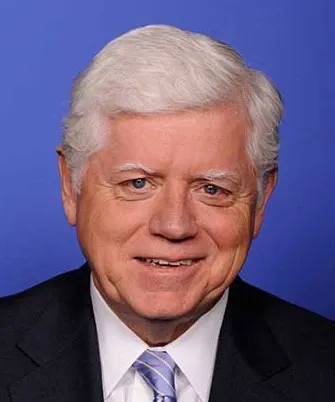
Politicians like Richard Blumenthal