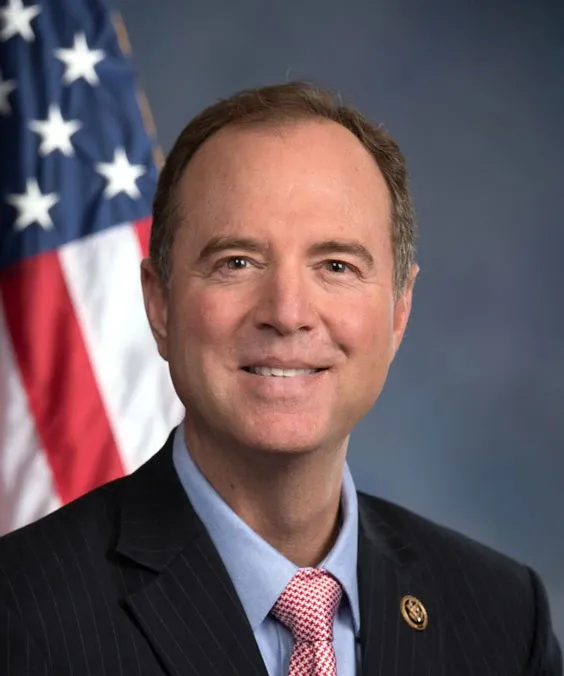
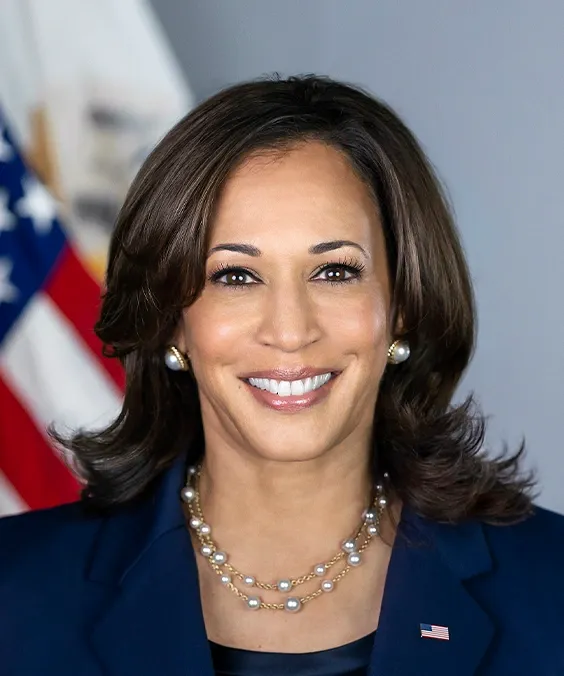
Madam President, my intention is to yield to Senator Udall. He and Senator Merkley will engage in a colloquy. I wish to open before yielding by saying that Senator Reid has laid out the devastating consequences of H.R. 1, which the Republicans have put forward as their plan to cut the budget. It is a jobs killer. It is a killer for the middle class. They said they would have a vote on it. Now they don't want to vote on it. We are going to have a vote on it. It is important for the American people to understand the various plans to cut the deficit. One of the things in H.R. 1, of many, is a huge cut to the Environmental Protection Agency. There are two points I wish to make in that regard. In 1970, the Clean Air Act was passed. The vote in the Senate was 73 to 0. The vote in the House was 374 to 1. Richard Nixon signed the Clean Air Act. H.R. 1 destroys the Clean Air Act by giving the largest cut of any agency to the Environmental Protection Agency. If that is not enough, it prohibits the EPA from enforcing pollution laws. In 1977 there were the Clean Air Act amendments signed by Jimmy Carter. There wasn't even a rollcall vote it was so popular. In 1990, George Herbert Walker Bush signed the Clean Air Act amendments. Two out of the three Presidents were Republicans. This passed 89 to 10 in the Senate and 401 to 25 in the House. The Clean Air Act and the EPA are strongly supported by the American people.…
Share & report
More from Barbara Boxer
Madam President, I am going to speak for a little while and then reserve the remainder. I say to Senator Wyden, thank you for your words. I also wish to explain why it was important to take the time at this late hour. We are all exhausted…
I say to my friend, she is so smart on this. Of course that is where we are headed. And I encourage this. If this happens and the Senator and I are not successful and this winds up to be the law of the land--a provision added in the dead…
Madam President, I yield to Senator Murray for 7 minutes. The PRESIDING OFFICER. The Senator from Washington.
Then I would ask through the Chair, what would the appropriate language be to get unanimous consent? Is it to allow an amendment to do that? Would that be the right way to go? The PRESIDING OFFICER. A motion to concur with an amendment.