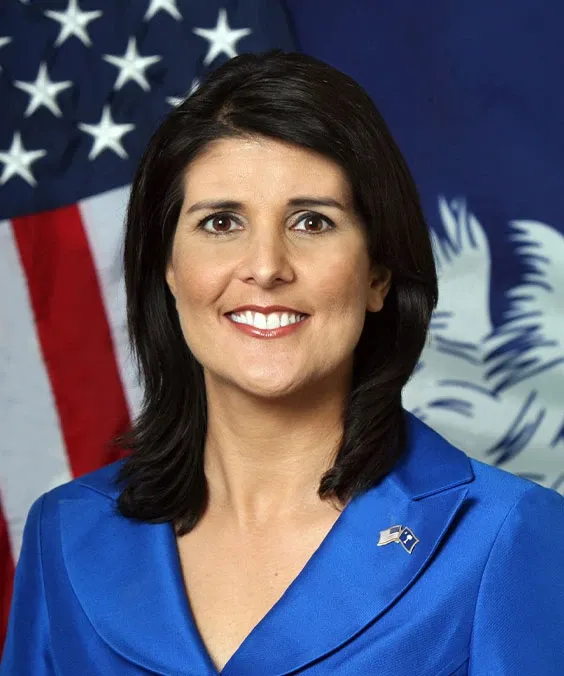
@nikkihaley· Republican · SC· Sep 3, 2023
The American people are not going to vote for a convicted criminal.
On the public record
Every politician on the site, every statement on file. Search, filter, and read the public record.
25,900+·quotes on file
The American people are not going to vote for a convicted criminal.
I think that, yes, I will support the Republican nominee always.
I think, yes, I will support the Republican nominee always.
I will veto any spending bill that doesn't take us back to pre-COVID levels.
We cannot have a President Kamala Harris, or we'll never get our country back.
I think there should be mental competency tests.
We can't have a President Kamala Harris, or we'll never get our country back.
Right now, the Senate is the most privileged nursing home in the country.
It's sad. What I will say is, right now the Senate is the most privileged nursing home in the country. I mean, you know Mitch McConnell has done some great things and he deserves credit, but you have to know when to leave.
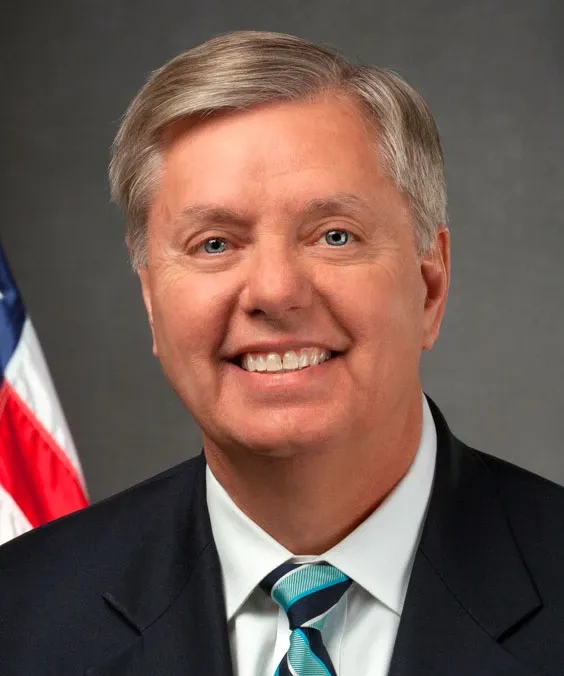
You don't end wars by giving territory to the aggressor.
U.S. support for Ukraine amounted to a great deal for America.
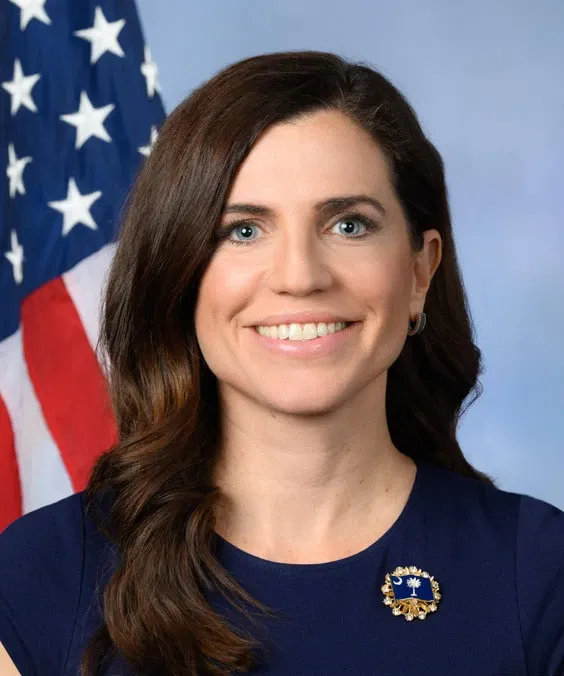
I think both parties have contributed to the inflation that we have today, the out-of-control spending, the debt ceiling that's going to add almost $20 trillion to the debt over the next 10 years.
But the only candidate on the stage that talked about how we should protect women and not demonize them was Nikki Haley. And that is a message that we have to carry through.
We have to be pro-woman and pro-life. You cannot go after women and attack them because they make a choice that you don't like or do not agree with, because it's a very sensitive subject right now.
I think voters will get a say. I know that, in my district and in my state, he's the standard-bearer for the nomination right now.