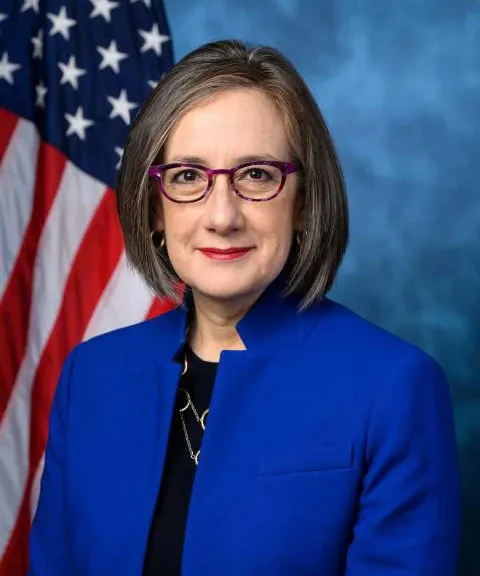
To my colleague from West Virginia, the challenge that we have today is that, in the course of Senate debate, it is never possible to get to a debate on the final question. And the proposal that the majority leader is putting forward is saying it is time to get to that final debate, and on that final debate every Senator can speak twice. I can tell you, leadership on both sides probably is nervous about the idea of 100 Senators speaking twice, at length, but the single innovation of the talking filibuster is to say that there will be a period of debate in which we will consider final passage with all four of the mechanisms that currently exist, three that were created at the foundation--and that is the break in debate and that is the two-speech rule and that is unanimous consent and the 60 votes that was created in 1975.
Share & report
More from Jeff Merkley
Mr. President and colleagues, back in 1974, the Senate and the House were very agitated over the increases in the national annual deficit that was adding considerably to the national debt. They said we needed to do something about this…
Mr. President, I ask unanimous consent that Brian Lyons, communications director for the Budget Committee, be given full access to the floor for the balance of his service. The PRESIDING OFFICER. Without objection, it is so ordered…
Mr. President, my colleagues, my good friend from South Carolina compared this bill with balancing the family budget. Well back in my neighborhood, balancing the budget means you only spend what you earn. It doesn't mean borrowing, and it…
our report details what we saw during our recent trip to the region, including the destruction of Rafah that has reduced the city to rubble, and what we heard from experts in the field about how the Netanyahu government is systematically…