On the recordAugust 5, 2010
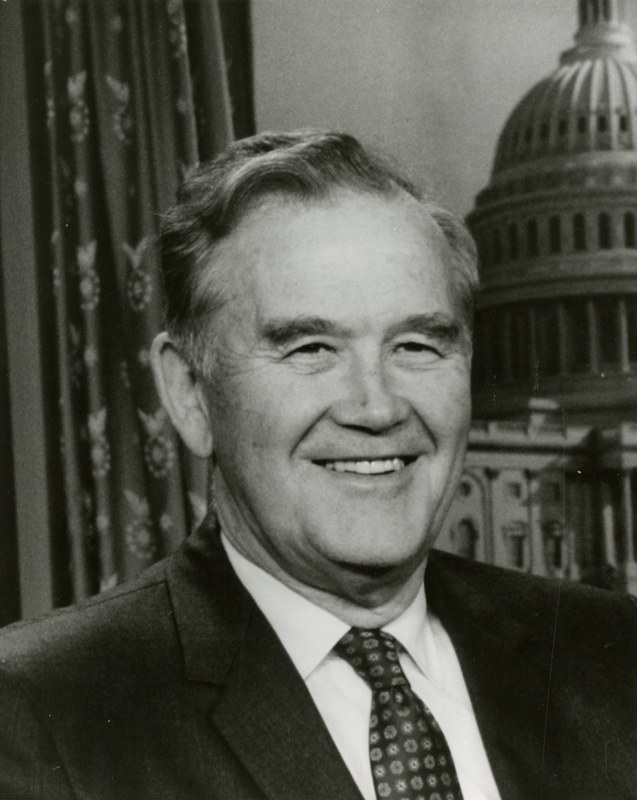
I would like to talk briefly about the Cobell settlement. To start, I want to show a photograph, a picture of a woman named Mary Fish. I wonder how anyone serving in this Chamber or how anyone in this country would feel had they been Mary Fish. She was an Oklahoma Indian. She lived in a small, humble home, never had very much. But she had a piece of property, 40 acres, and she had six oil wells on her land--six oil wells on her land. How she got 'her land' dates back to 1887 when the Federal Government first divided up tribal lands and gave individual Indians separate parcels of land and then said to the Indians: You know what. We are going to give you separate parcels of land that will be yours. But, we are going to manage them for you. We will hold them in trust and provide income from your land to you. So poor Mary Fish, an Oklahoma Indian, had six oil wells on her land and lived a humble life and died a few years ago waiting, waiting for justice, justice that she never received.