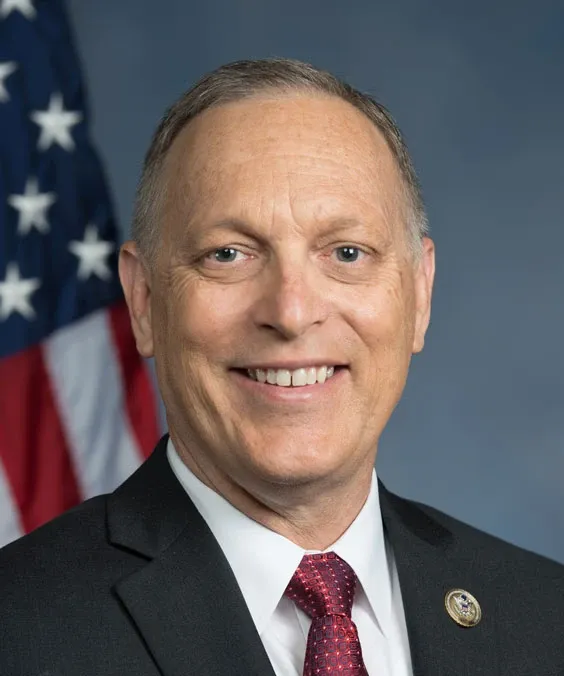
On the recordSeptember 12, 2017
I wish to thank the Senator from Virginia for his leadership on this issue. He has been at it a long time. The two of us have been at it for quite a while. I think this is the year. This is the time. We are well past time for an AUMF. I wish to thank the Senator from Kentucky for focusing the Senate's attention on the 16-year-old authorization for use of military force. As a freshman Member of the House of Representatives, I voted in favor of the 2001 authorization on September 14, 2001--almost 16 years ago to the day--September 14, 2001. I can attest that when I voted for that law, I had no idea it would still be in effect 16 years later. Since its passage, more than 300 Members of the House who took that vote that day, on September 14, 2001--more than 300 Members of the House are no longer in office. Of the Senators who voted, only 23 remain in the Senate today--23 out of 100. That comes out to about 70 percent of the Congress who has not voted to authorize force against terrorist groups abroad. It is long past time for Congress to calibrate the legal underpinning of the war against terrorism to today's realities. ISIS, for example, did not exist when the 2001 law was approved. We have learned a number of things since we voted to go to war with the perpetrators of the 9/11 attacks, and I think it is time to incorporate those lessons into a new AUMF.…
Source
govinfo.gov